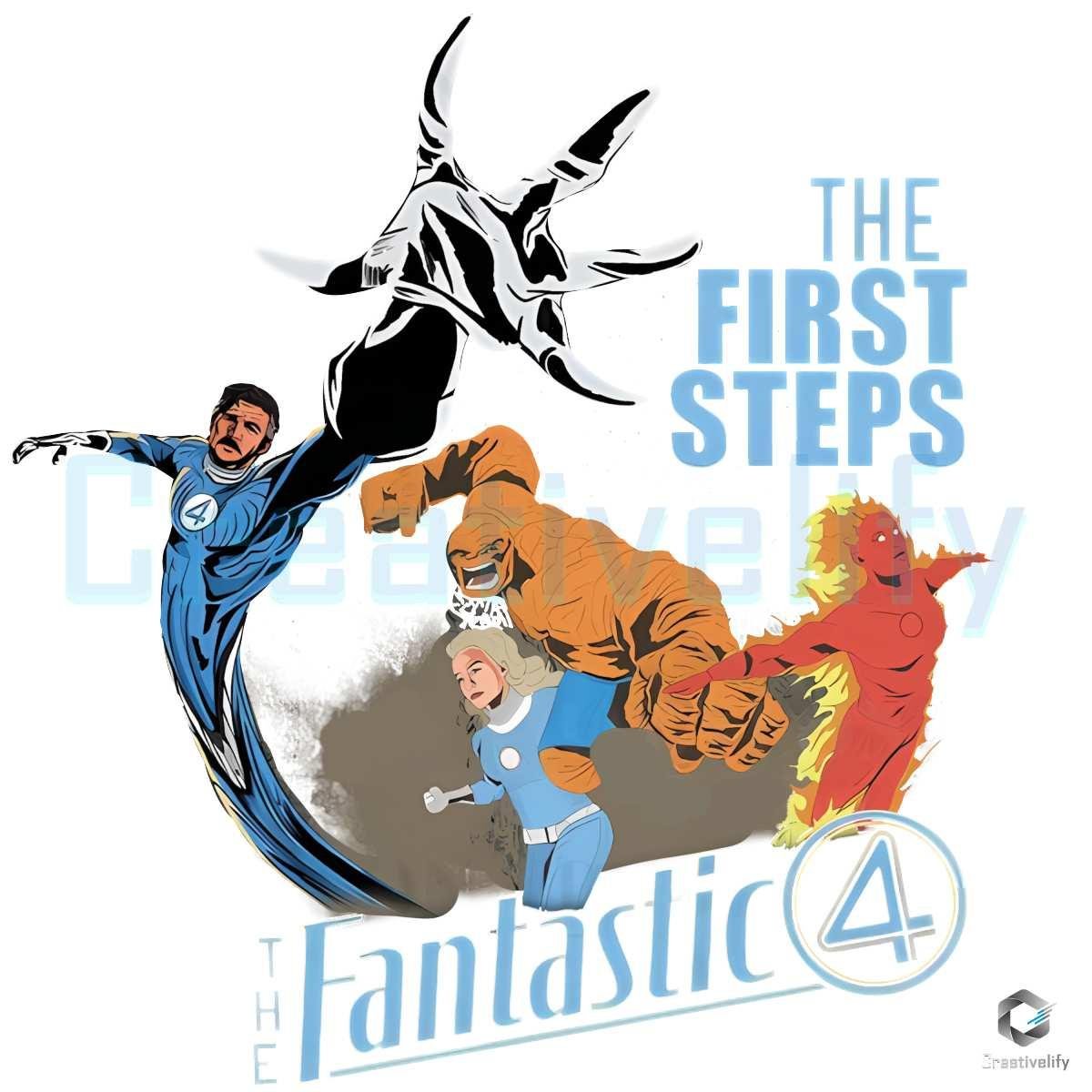
The Fantastic Four. The very name conjures images of cosmic adventures, a quirky family dynamic, and perhaps most vividly, that iconic "4 in a circle" symbol. But how did this potent emblem, a cornerstone of Marvel's First Family, come to be? Understanding The Origin and Evolution of the Fantastic Four Logo in Comics isn't just a trip down memory lane; it’s a masterclass in brand identity, visual storytelling, and adapting an enduring legacy for new generations.
We’re diving deep into the fascinating journey of a logo that has graced countless comic covers, animated series, and blockbuster films, evolving with the times while retaining its core essence.
At a Glance: Key Takeaways from the Fantastic Four Logo's Journey
- The "4 in a Circle" is Paramount: This symbol is the unshakeable core of the FF's brand identity across all media.
- Consistency in Chaos: Despite numerous iterations, bold, uppercase letters and the iconic "4" are ever-present.
- Comic Roots, Media Branches: Early comic designs heavily influenced subsequent animated series, while live-action films often sought more modern, distinct interpretations.
- Blue and White Reign: These colors are consistently linked to the team's visual identity, both in logos and uniforms.
- Legibility vs. Artistry: Logo changes often reflect a tension between clear readability and innovative, sometimes experimental, design choices.
- An Evolving Brand Story: Each logo shift tells a tale of how Marvel aimed to present the Fantastic Four to their audience at different cultural moments.
The Fantastic Four: A Quick Primer on Marvel's First Family
Before we dissect the pixels and ink of their emblem, it's essential to grasp the Fantastic Four's foundational role. Debuting in The Fantastic Four #1 in 1961, this groundbreaking team, born from the brilliant minds of writer Stan Lee and artist Jack Kirby, wasn't just another group of heroes. Mister Fantastic (Reed Richards), Invisible Woman (Sue Storm), Human Torch (Johnny Storm), and The Thing (Ben Grimm) were a family — often dysfunctional, always loving — who gained their extraordinary powers from cosmic radiation during a fateful space voyage.
They weren't just crime-fighters; they were explorers, scientists, and adventurers, constantly pushing the boundaries of the known universe, battling iconic foes like Galactus and Doctor Doom. This blend of science fiction, domestic drama, and superheroics quickly made them a sensation, inspiring a vast array of TV shows, movies, books, video games, and merchandise. At the heart of this sprawling empire, visually tying it all together, is their signature mark.
More Than Just a Number: Decoding the "4 in a Circle" Symbol
You see it everywhere, from the costumes they wear to the splash pages of their comics: a bold "4" nestled within a circle. This simple yet profound symbol isn't merely a number; it's a declaration. It represents unity, their numerical designation, and often, a powerful, almost alchemical transformation from ordinary humans to extraordinary beings.
While the exact presentation has varied—earlier comic iterations sometimes showed the "4" spreading across the circle, while recent designs depict it connecting more subtly to the right side—the core concept remains untouchable. It’s a powerful mnemonic, instantly recognizable even without the words "Fantastic Four" beside it. Blue and white often dominate these symbols, reflecting the team's iconic uniforms and lending a sense of scientific precision and heroic purity.
This consistent visual anchor allows the brand to stretch and adapt, knowing its fundamental identity is always present. To really appreciate the depth and impact of this enduring emblem, you can Explore the Fantastic Four logo through its many forms.
The Comic Book Saga: A Visual Timeline of FF Logos
The Fantastic Four's journey through comic book history is mirrored by the evolution of their title card. Each change reflects prevailing design trends, editorial directives, and an effort to reconnect or redefine the team for contemporary audiences.
The Psychedelic Sixties: Uneven, Bouncy, and Bold (1961)
When Fantastic Four #1 hit stands in November 1961, its logo was as groundbreaking as the heroes within. Stan Lee and Jack Kirby were creating something new, and the logo reflected that raw energy. It featured an uneven, bouncy font, often presented in vibrant, sometimes clashing colors. You’d frequently see "the" preceding "Fantastic Four," adding a touch of classic comic book titling.
This initial logo had a dynamic, almost hand-drawn quality, perfectly capturing the experimental, vibrant spirit of the early Marvel Age. It wasn't perfectly symmetrical or rigidly typeset; it had character, much like the team it represented. It felt alive, a direct response to the often staid and predictable logos of competing publishers.
The Streamlined Seventies: Fitting Snugly into a New Era (1972)
As the 1970s dawned, comics began to mature, and so did their visual language. By 1972, the Fantastic Four logo adopted a more straightforward, polished font. The design was clever: "Fantastic" would curve gently at the bottom, while "Four" would mirror that curve at the top, allowing the words to fit snugly together, creating a compact, cohesive block.
This design represented a move towards greater graphic sophistication. It retained the boldness of the original but traded some of its wild spontaneity for a cleaner, more organized aesthetic. It was a subtle shift that hinted at the team's growing maturity and their established place in the Marvel Universe, even as the stories themselves continued to push boundaries.
The Millennium Revisit: Shadowing, Hovering, and Character Callouts (1998)
The late 1990s saw a resurgence in classic comic styles, often with a modern twist. The 1998 logo for the Fantastic Four returned to a style reminiscent of the original 1961 design, but with added depth and flair. This iteration frequently employed shadowing, giving the letters a three-dimensional, almost hovering effect off the page. It felt substantial, a nod to the team’s enduring legacy.
Interestingly, this era also briefly experimented with including the character names positioned above the "4" symbol. This was a direct way to emphasize the individual identities within the team, perhaps to reacquaint newer readers with who made up this iconic quartet. It underscored the importance of the personalities behind the powers, even as the main logo itself gained a more established, weighty presence.
The Modern Experiment: Connected, Bold, and Less Legible (2014)
By 2014, the comic landscape was heavily influenced by digital design and a drive for ultra-modern aesthetics. The Fantastic Four logo underwent a significant transformation, embracing a design that connected all the letters with a bold top line. In a striking and somewhat controversial move, the letter "A" in "Fantastic" was replaced with the iconic "4" glyph.
While bold and undeniably modern, this version faced criticism for being less legible than previous iterations. The interconnectedness and the embedded "4" sometimes made it difficult to quickly parse the title. It was an ambitious attempt to innovate and integrate their most famous symbol directly into the wordmark, but it highlighted the delicate balance between design innovation and practical readability.
The Resurgent Classic: Clear, 3D, and Iconic (2018 – Current)
Recognizing the need for both clarity and a connection to their rich history, Marvel introduced the current Fantastic Four logo in 2018, coinciding with a major relaunch of the series. This design is a masterclass in blending old-fashioned charm with modern execution. It features a clearer, three-dimensional font, designed to appear as if you're looking up at a majestic sign.
Crucially, the "4 glyph surrounded by a circle" was placed distinctly next to the word "Four," rather than integrated within "Fantastic." This separation restored legibility while celebrating the symbol's iconic status. It’s a logo that feels both classic and contemporary, paying homage to the team's origins while signaling a vibrant future. This version truly emphasizes the "First Family" aspect, giving them a stately, almost architectural presence.
Beyond the Panels: Fantastic Four Logos in Animation and Film
The Fantastic Four’s adventures haven't been confined to comic book pages; they've exploded across screens big and small. Each adaptation brought its own visual interpretation of the team’s identity, often drawing inspiration from the comics while forging a unique cinematic or animated presence.
Early Visuals: The Dominance of the Yellow "4" (General & 1967 Cartoons)
In the earliest days of Fantastic Four media adaptations, a common visual motif on title pages was to feature all four characters dramatically posed in front of a very large, prominent yellow "4." This established the numeral as the undeniable centerpiece of their identity from the get-go.
The 1967 animated series leaned into this heavily, making the large yellow "4" a striking background element. "Fantastic" would often appear in a clean, white rectangle, providing a stark contrast and easy readability against the vibrant symbol. This early animation firmly cemented the "4" as the team's primary visual identifier for a new generation of viewers.
Animated Homages: Red, Metallic, and Layered Symbols (1978 & 1994)
The 1978 animated series, produced by DePatie-Freleng Enterprises, crafted a logo that directly based its design on the original comic book aesthetic, but gave it a bold, bright red coloring. This choice infused the classic design with a new energy, making it pop on television screens and signaling a dynamic, action-oriented show.
By 1994, with the release of the Marvel Action Hour's Fantastic Four animation, the logo drew inspiration from previous comic wordmarks but pushed the aesthetic further with metallic glyphs. This version often featured two distinct FF symbols: one positioned clearly on the left of the wordmark, and another, more transparent version, subtly placed behind the text, adding depth and a sense of layers to the branding.
The Return to Roots: Classic Typeface for a New Generation (2006 Animation)
The Fantastic Four: World's Greatest Heroes animated series in 2006 saw a stylistic return to form. Its logo deliberately reverted to a font similar to the original comic book typeface, a conscious decision to evoke nostalgia and connect with the team's origins. It retained the now-familiar FF symbol, positioning it prominently on the left side of the wordmark, ensuring brand continuity while updating the animation style.
This approach demonstrated an understanding of the power of the team's legacy, choosing a familiar, comforting visual identity for a show aimed at a younger, yet potentially nostalgic, audience.
Live-Action Debuts: Modern Metallic Separation (2005 Film)
When the Fantastic Four finally made their major live-action big-screen debut in 2005, the logo needed to feel cinematic, modern, and distinct from its comic roots while still honoring them. The film's title screen delivered a sleek, contemporary design that used the FF symbol as a literal separator between "Fantastic" and "Four."
This iteration employed an almost metallic color palette, giving it a tangible, high-tech feel suitable for a superhero blockbuster. It was a bold statement, projecting a sense of advanced technology and polished heroism, distinguishing it from the often more whimsical comic designs.
The Modern Reimagining: Slimmer, Futuristic, and Sans-Serif (2015 Film)
The 2015 Fantastic Four remake aimed for a grittier, more grounded, and highly modernized take on the team, and its logo reflected this ambition. Similar to the 2014 comic version, this film's logo replaced the letter "A" in "Fantastic" with the "4" glyph.
However, the film's version utilized a much slimmer, more modern, and decidedly futuristic sans-serif font. It was sleek, minimalist, and conveyed a sense of cutting-edge science and a more serious tone, aligning with the film's aesthetic goals. While the embedded "4" mirrored a comic design, the overall execution was undeniably tailored for a contemporary, effects-driven film.
Cameos and Future Visions: A Nod to the MCU (2022, 2024)
Even in brief appearances, the Fantastic Four logo makes an impact. In 2022, a logo for the team made a tantalizing appearance in Doctor Strange in the Multiverse of Madness, featuring John Krasinski as Reed Richards. This subtle inclusion, often reflecting a cleaner, more streamlined design, hinted at their impending arrival in the Marvel Cinematic Universe.
Similarly, the Deadpool & Wolverine logo in 2024, with Chris Evans reprising his role as Human Torch (albeit a variant), likely showcases the established MCU visual identity for the Fantastic Four, bridging classic fandom with new cinematic realities. These contemporary film logos tend to favor clean lines, often sans-serif, and a sophisticated integration of the "4" without compromising legibility, setting the stage for their grand reintroduction.
Why Logos Matter: The Fantastic Four's Enduring Brand Identity
The myriad evolutions of the Fantastic Four logo aren't just arbitrary artistic changes; they are strategic branding decisions. A logo is more than just a picture; it's a promise, a shorthand for an entire universe of stories, characters, and emotions.
For the Fantastic Four, their logo communicates:
- Unity: The "4" represents the four members, a cohesive unit.
- Identity: It immediately tells you who the property belongs to.
- Evolution: The changes track Marvel's own journey and broader design trends.
- Accessibility: A strong logo helps new fans quickly grasp the core concept.
The constant tweaking and reinterpretation of the FF logo underscore a universal truth in branding: an iconic identity needs to be both steadfast and flexible. It must be recognizable across generations while also being able to adapt to new artistic styles, storytelling approaches, and media platforms. The most successful brands, like the Fantastic Four, understand this delicate balance. They respect their core elements while daring to experiment, ensuring their visual identity remains fresh and relevant without losing its soul.
Behind the Design Choices: What Each Evolution Signified
Every logo iteration, whether in comics, animation, or film, carried specific intent. Understanding these motivations offers a deeper appreciation for the design process:
- The 1961 "Bouncy" Logo: Signified raw energy, newness, and a break from traditional, staid superhero logos. It screamed "exciting and unconventional," mirroring the team itself.
- The 1972 "Snug Fit" Logo: Reflected a growing maturity and graphic sophistication. It aimed for a cleaner, more established look as the team cemented its legendary status.
- The 1998 "Shadowed" Logo: Signaled a reverence for the past with a modern update. The 3D effect added gravitas, making the logo feel substantial and important as the team headed into a new millennium.
- The 2014 "Integrated 4" Comic Logo: A bold experiment to modernize and deeply embed the core symbol into the wordmark. It was an attempt at radical contemporization, even if it sacrificed some readability.
- The 2018 "3D Classic" Comic Logo: A conscious effort to balance tradition with clarity. It aimed to make the team feel classic, iconic, and approachable again after a period of experimental design.
- Film & Animation Logos: Often sought to establish a distinct identity for their respective media. The metallic, sleek designs of the films, for instance, aimed for cinematic grandeur and modern appeal, separating them visually from their comic origins while maintaining the core "4" symbol.
These choices aren't made in a vacuum; they reflect prevailing design philosophies, audience expectations, and the ongoing dialogue between a brand and its consumers.
Beyond the Symbol: Colors, Fonts, and Typography Trends
While the "4 in a circle" is undeniably the Fantastic Four's strongest visual anchor, the supporting design elements play a crucial role in shaping its perception.
- Colors: Blue and white are perennial favorites, often reflecting the team's uniforms and conveying a sense of heroism and scientific purity. However, other colors have been used to inject vibrancy (like the bright red of the 1978 cartoon) or a metallic sheen (as seen in the 2005 movie). These color choices are powerful emotional cues, affecting how the logo is perceived.
- Fonts: The choice between serif and sans-serif fonts often dictates the logo's overall tone. Recent comic logos, with their serif fonts and sharp, capital letters, lean into an "old-fashioned yet clearer" aesthetic, conveying legacy and authority. In contrast, recent movie logos often opt for simpler, sleek sans-serif fonts with narrow lines, projecting a modern, futuristic, and streamlined feel.
- Typography: Beyond just the font style, the spacing, weight, and arrangement of letters dramatically impact readability and aesthetic appeal. Early logos embraced an "uneven, bouncy" typography that felt dynamic and spontaneous. Later versions focused on "snugly" fitting words or "connecting all letters" to create different visual textures. The current comic logo’s 3D, "looking up at the sign" effect is a clever use of typography to convey presence and grandeur.
These typographic subtleties often go unnoticed but profoundly influence our emotional response and understanding of the brand.
Frequently Asked Questions About the FF Logo
Let's address some common curiosities about this iconic emblem.
What's the primary symbol of the Fantastic Four?
The primary and most recognizable symbol of the Fantastic Four is unequivocally the "4" placed inside a circle. This emblem consistently appears across all media, from comics to films, and serves as their core brand identity.
What colors are most associated with the FF logo?
Blue and white are the most common and consistently associated colors with the Fantastic Four's logos and uniforms. These colors are deeply ingrained in the team's visual identity, though other colors like red, yellow, and metallic tones have been used in specific iterations for emphasis or stylistic variation.
Why did the logo change so many times?
The Fantastic Four logo evolved numerous times for several reasons: to reflect changing comic book artistic trends, to modernize the brand for new generations of readers and viewers, to differentiate between comic, animated, and film adaptations, and sometimes, to signal a new direction or era for the team's ongoing story. Each change aimed to keep the brand fresh and relevant.
Which Fantastic Four logo is considered the most iconic?
While specific preferences vary, the "4 in a circle" symbol itself is universally considered the most iconic element. Among the wordmarks, the classic, slightly uneven, bold lettering reminiscent of the 1961 and 1998 comic designs often evokes the most nostalgia and recognition for long-time fans. The 2018 comic logo is also quickly becoming a modern classic due to its blend of tradition and clarity.
The Legacy of a Legendary Mark
The journey of the Fantastic Four logo is a testament to the power of enduring design. From its initial bouncy, energetic incarnation in 1961 to the sleek, three-dimensional grandeur of today, it has navigated shifting aesthetic tides, technological advancements, and the ever-changing demands of a global entertainment franchise.
What remains constant is the spirit it embodies: a family of adventurers, explorers, and heroes, united under a single, powerful numeral. The "4 in a circle" isn't just a mark; it's a promise of cosmic wonder, family drama, and the boundless imagination that defines Marvel's First Family. As the Fantastic Four continue their adventures across new comics and into the vastness of the Marvel Cinematic Universe, one thing is certain: their iconic logo will be right there with them, a shining beacon of their timeless legacy.